Different Types Of Fire
Before we take a look at the actual fire extinguishers, let’s acquaint ourselves with the different types and classes of fire. There are six different classes of fire, and each one has specific characteristics, meaning that they require handling in different ways. The type of fire that it is will determine which extinguisher should be used to ensure it is put out quickly and safely. It goes without saying that you need to exercise caution when putting out any type of fire and understanding which type of extinguisher you need to use is an important part of that. The different types of fire are:- Class A: Combustible Material Fires – These are fires that have been caused by solid flammable materials like paper, fabrics, and wood.
- Class B: Flammable Liquids – Flammable liquids are things such as petrol, paint, alcohol, and white spirits.
- Class C: Flammable Gases – Gases such as nitrogen and methane are good examples of flammable gases.
- Class D: Combustible Metals and Chemicals – These are fires involving metals and chemicals like potassium and magnesium.
- Class F: Cooking Oil – This type of fire is one that usually involves chip pans or deep fat fryers.
- Electrical Fires – These are fires that involve any type of electrical equipment such as TVs, computers, portable heaters, or lighting.
What Are The Different Colour Codings?
There are five main colour codings when it comes to fire extinguishers, so let’s have a look at what is in them, what type of fire they can and can’t be used on, and the type of places you may find them.Red Fire Extinguishers
Red or Water fire extinguishers are probably the most common type of fire extinguisher and are the best option for class A fires. Red fire extinguishers are found in the majority of buildings and are essential anywhere that has solid flammable materials in it. This includes warehouses, shops, office blocks, hospitals, and domestic dwellings, these are often bought in bulk. Water fire extinguishers should never be used to put out electrical, kitchen, or chemical gas and liquid fires.Blue Coded Powder Extinguishers
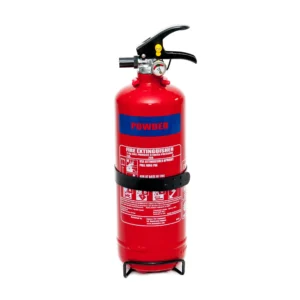
Blue labelled fire extinguishers contain a dry powder and are sometimes known as ABC extinguishers because they are suitable for use on class A, B, and C fires. They can also be used on smaller electrical fires involving appliances up to 100 volts. This makes them extremely useful, however, powder fire extinguishers should not be used in enclosed spaces because the powder could be inhaled by bystanders and the residue is difficult to get rid of. Blue coded fire extinguishers are routinely found on garage forecourts, in welding shops, or anywhere using cutting equipment.Black Coded CO2 Fire Extinguishers
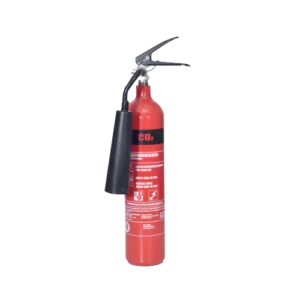
Black CO2 (carbon dioxide) fire extinguishers are generally used on electrical fires which is why they are routinely found in offices. You will also find CO2 fire extinguishers in vans and heavy goods vehicles. Black coded fire extinguishers should never be used on chip pan fires, combustible fires containing solid materials, and any flammable metals.Cream Foam Fire Extinguishers
Cream fire extinguishers are the best choice for type B fires caused by flammable liquids. However, they can be safely used on all class A fires meaning they are a popular choice in all the same areas as water extinguishers. Cream fire extinguishers should not be used on kitchen fires, metal fires, or electrical fires.Yellow Coded Wet Chemical Fire Extinguishers
This type of fire extinguisher is specifically designed for use on class F fires involving cooking oils and fats. They could be used on class A fires, however, foam or water extinguishers are a better option for those. Yellow coded fire extinguishers are not suitable for use on flammable liquid, gas, electrical, or metal fires. You will usually find this type of extinguisher in kitchens, restaurants, chip shops, or work canteens. Hopefully, this fire extinguisher guide will have answered any questions about what type of extinguisher is best suited to your particular needs. At Extinguishers Direct, we stock the full range of colour-coded extinguishers all at affordable prices. So if you are in need of fire extinguishers for your home or business, contact our expert team today.FAQs
Which Fire Extinguisher Is Used For Electrical Fires?
Because of its smothering properties, the best fire extinguisher for electrical fires is a CO2 or carbon dioxide extinguisher. Carbon dioxide is also non-conductive and therefore the residue left behind will not damage the electrical equipment it is used on. Powder fire extinguishers are also safe to use on electrical equipment, however, you should be aware that they will leave a lot of mess behind and may damage the equipment.