07985 686435
sales@extinguishersdirect.co.uk

Have A Question?
(Call free)
0800 774 7043

On all orders in the UK
Helping customers make decisions
Secure Payment
100% Safe payment methods
Wide Product Selection
Extensive range of fire extinguishers
Quick Shipping On All Orders In The UK
Expert Guidance To Help Customers
100% Safe Payment Methods
Extensive Selection Of Extinguishers

What Is A Dry Powder Fire Extinguisher Used For?

Sep 17, 2024 | Fire Extinguishers

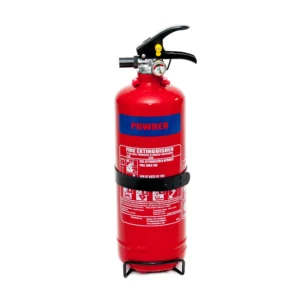
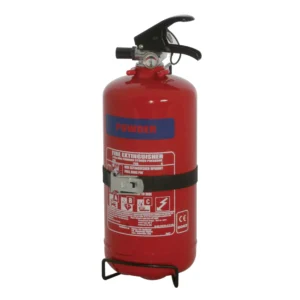
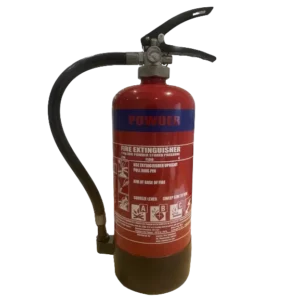
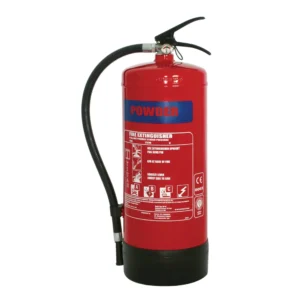
Dry powder fire extinguishers are renowned for their versatility because they can be used on several different classes of fire. Filled with a fine, dry chemical powder that will effectively deal with class A, B and C type fires, making them suitable for use in many different  environments.  The powder in the extinguisher is generally made from a mixture of substances including sodium bicarbonate, potassium bicarbonate, or monoammonium phosphate, depending on the particular type of dry powder extinguisher. As we mentioned earlier dry Powder fire extinguishers work well on several different kinds of fire, including those involving flammable liquids and gases as well as solid combustibles which is why they are a popular choice for various applications.

How Does a Dry Powder Fire Extinguisher Work?

Dry powder fire extinguishers work by covering the fire with a fine powder. When the extinguisher is discharged the powder blankets the fire, cutting off the oxygen supply and smothering the flames. This not only puts out the fire, but also stops it from re-igniting by interrupting the chemical reaction needed for combustion. Because the powder can coat not only the fuel but also the surrounding area is one of the main reasons it works particularly well on fires involving flammable liquids or gases. The dry powder will also help prevent the spread of the fire by creating a barrier between the flames and the remaining fuel. The flexibility of this extinguisher is why it is a popular choice in areas at risk from different types of fire. 

What Class of Fire Are Powder Fire Extinguishers For?

Dry powder fire extinguishers are classified as suitable for Class A, B, and C fires. Class A Fires: These are fires involving ordinary combustibles such as wood, paper, and textiles. The dry powder will help to cool and smother the burning material, stopping the fire spreading.  Class B Fires: This type of fire involves flammable liquids like petrol, oil, and grease. The dry powder’s smothering action is highly effective in these situations, as it can quickly suppress the flames and prevent them from spreading. Class C Fires: A Class C fire is one that involves the burning of flammable gases, such as butane, propane, and petroleum gases.  Dry powder extinguishers can also be used on electrical fires of up to 1000 volts although be aware they leave quite a lot of mess and could damage some of the components.  

Where Might You Find a Dry Powder Fire Extinguisher?

Dry powder fire extinguishers are commonly found in environments where multiple fire risks are present. This includes industrial settings, warehouses, garages, and workshops where flammable materials and electrical equipment are used. They are also frequently used in locations where there is a risk of fires involving hazardous substances or gases. In addition to these settings, dry powder extinguishers are often placed in areas where you may be looking to cover a number of different  fire risks. Their versatility makes them a popular choice for locations with diverse and potentially dangerous fire hazards. You might also find them in lorries, caravans and cars. 

Is Fire Extinguisher Powder Toxic?

The powder used in dry powder fire extinguishers is generally not considered toxic, but it can pose health risks if inhaled in large quantities or if it comes into contact with sensitive areas of the body. This is why It is imperative that you take care when discharging a dry powder fire extinguisher If you inhale the powder it could cause respiratory irritation, while contact with the skin may lead to mild irritation or dryness. Therefore, it’s essential to use dry powder extinguishers in well-ventilated areas and to follow the manufacturer’s instructions for safe use. If the powder is accidentally ingested or if significant exposure occurs, it is advisable to seek medical attention.

Is There Anywhere You Shouldn’t Use a Dry Powder Fire Extinguisher?

While dry powder extinguishers are highly versatile, there are specific situations where you should definitely avoid using them. For example they shouldn’t be used on sensitive electronic equipment or machinery. This is because the fine powder can get inside the components and cause significant damage.  It is not wise to discharge a powder extinguisher in a confined space as this could cause eye, nose or chest irritation for anyone in the vicinity. It is important that you ensure there is adequate ventilation in any areas where you may be considering placing a dry powder extinguisher. You should avoid using powder extinguishers anywhere food is being prepared. The residue from dry powder extinguishers can contaminate food and surfaces in kitchens or food preparation areas. In this type of environment, it’s better to use extinguishers specifically designed for cooking oil and fat fires, like wet chemical extinguishers.

Conclusion

Dry powder fire extinguishers offer a versatile and effective solution for tackling a range of fire types, including those involving flammable liquids, gases, and electrical equipment. Their ability to address multiple classes of fires makes them an invaluable safety tool in various environments. However, it is essential to use them correctly and be aware of their limitations, especially in sensitive or confined areas. Extinguishers Direct stocks a comprehensive range of dry powder fire extinguishers, including BSI Kitemarked models, available in different sizes to suit various needs. Whether you require extinguishers for industrial settings, workshops, or other environments with diverse fire risks, you can rely on Extinguishers Direct for high-quality products at competitive prices.